
Preventing Burnout for Recruiters and Staffing Professionals
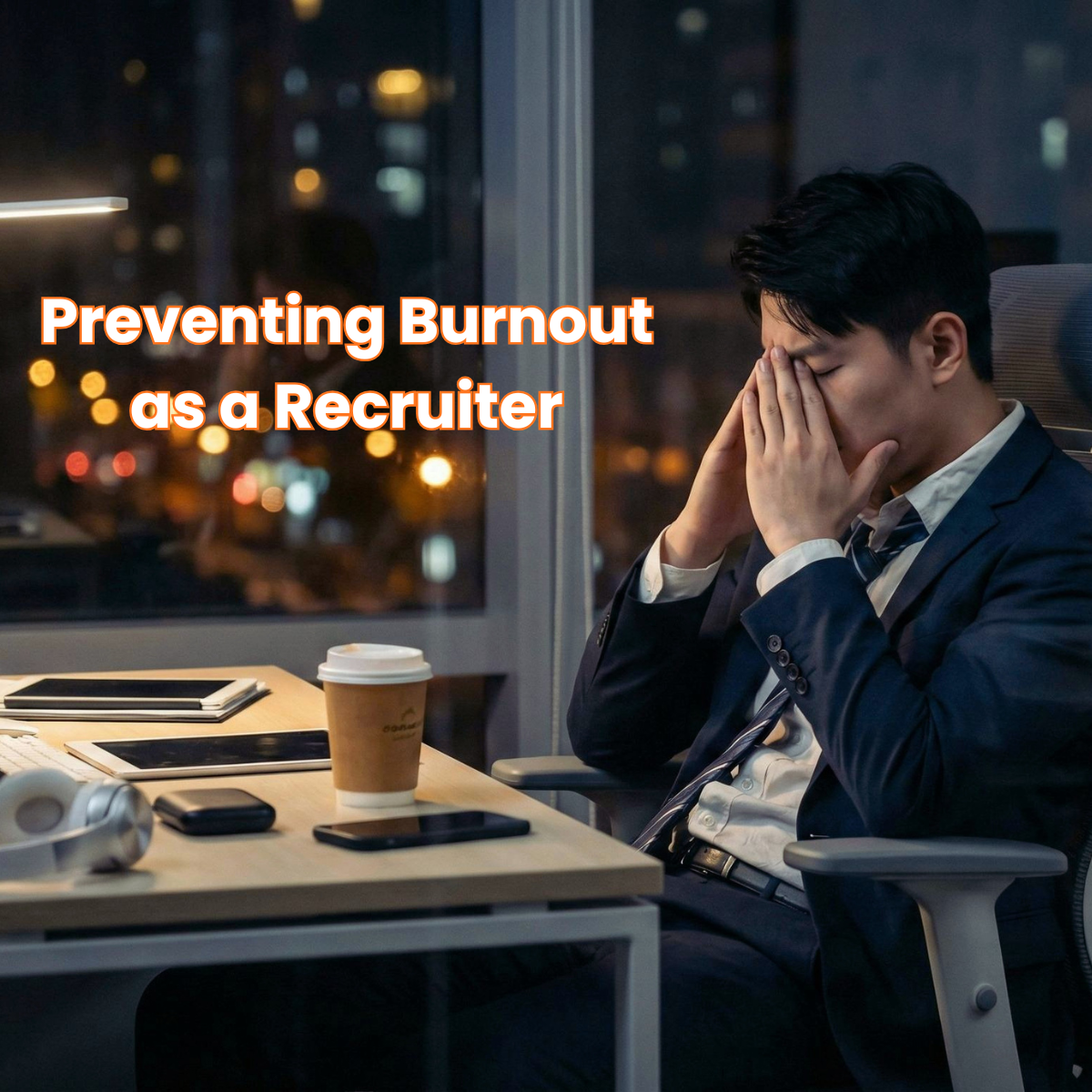


Recruiters and staffing pros often find themselves in high-pressure situations, which can lead to burnout if not managed well. Here are some handy strategies to help dodge burnout and keep a healthy work-life balance:
Set Realistic Goals and Schedule Breaks
Aim for targets you can realistically hit for your daily, weekly, monthly, and even yearly tasks. Focus on what's truly important and be upfront about what you can get done in the time you have. Also, make it a habit to take short breaks whenever you can. Stepping away from your desk for just a few minutes can help prevent burnout and keep you sharp. Try going for a quick walk, doing a little stretching, or just grabbing some fresh air to clear your head and boost your productivity.
Use Technology Wisely
Technology can lighten your workload by taking care of those repetitive tasks that eat up your time. This lets you focus on the strategic aspects of your job, boosting the value of your work. But be careful not to rely too heavily on tools like AI, as this can cause other issues. It's smarter to use tech wisely, helping you manage your time and streamline your workflow.
Reclaim Your Personal Time
To keep your mental health in check, it's crucial to set personal boundaries and make some time for yourself. There's no need to be checking emails or replying to client messages at 1 AM. Make sure your working hours are clear to both you and others. While it's okay to be available for the occasional urgent matter, it's important not to let recruiting tasks eat into your personal time with loved ones. If you're struggling to find balance, consider chatting with your peers or supervisor for some advice.
Remember You're Only Human
While it's great to aim for success, taking on too much can lead to burnout, resulting in mistakes or missed opportunities. It's important to cut yourself some slack when you can't achieve everything you planned, especially if those goals are above and beyond. One of a recruiter's true strengths is knowing when to ask for help, whether from a coworker or by discussing adjusted expectations with a client or candidate.
By putting these strategies into practice, recruiters and staffing professionals can effectively manage stress, improve their well-being, and enjoy a fulfilling career.


