
Essential Do's and Don'ts for Leaving a Bad Workplace
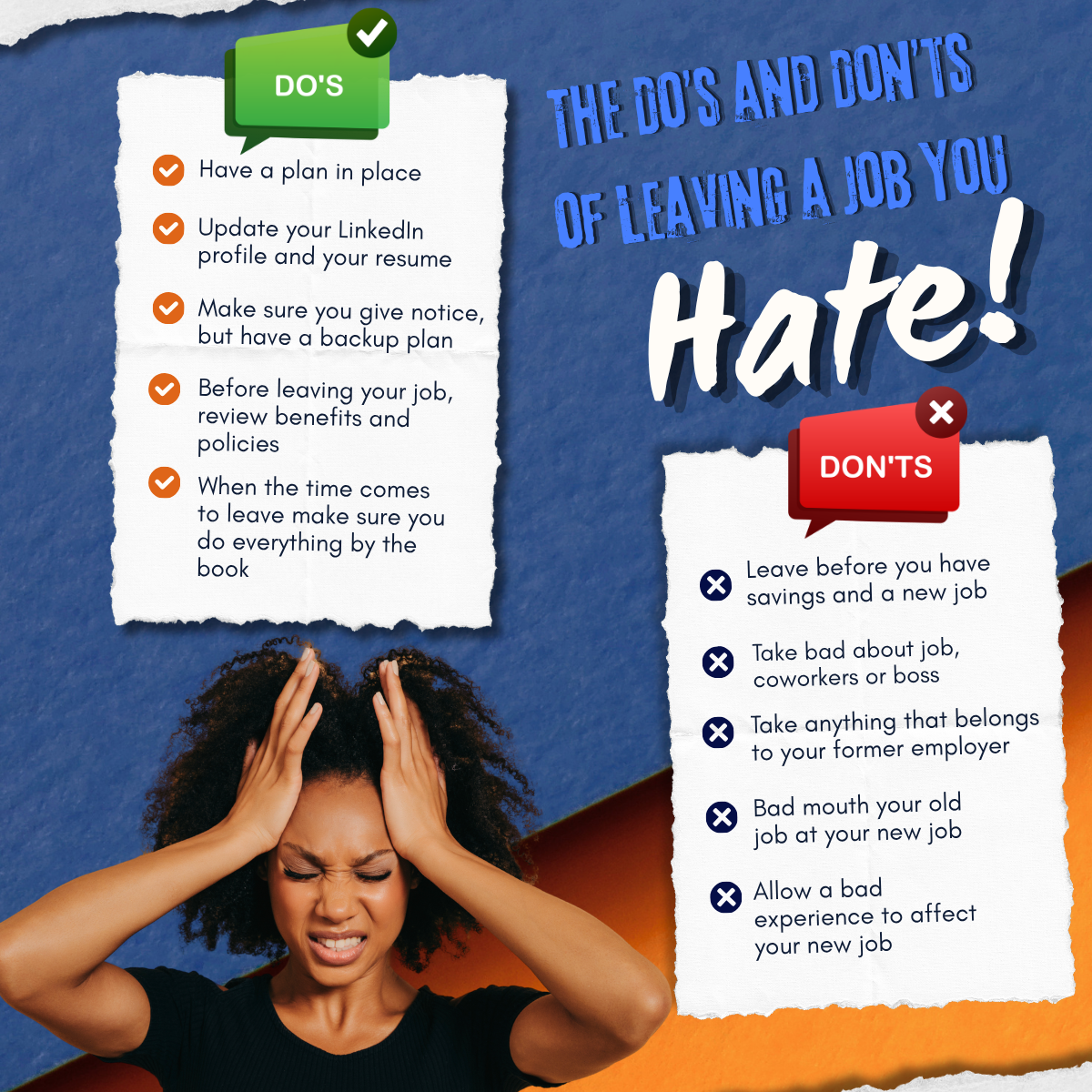


Are you currently in a job that you absolutely can't stand? Do you dread going in every day, wishing the hours would pass quickly so you can leave? Regardless of your situation, if you're contemplating a departure from an unfavorable career, take a moment to review these do's and don'ts. This might help make your transition much smoother.
Do These Things
Have a Plan in Place
Before leaving your job, have a solid plan. Consider your goals and outline the steps to achieve them. This might involve further education, extra training, or networking. It could also mean applying for new roles, scheduling interviews, and saving for the transition. A well-thought-out plan will ensure a smooth transition and help you focus on building a better future.
Update Your LinkedIn Profile and Your Resume
Your LinkedIn profile and resume are key parts of your job search . Make sure they highlight your latest achievements and skills. Focus on the accomplishments and experiences that show your value to potential employers. Keeping them updated helps you stay visible and relevant in your industry, boosting your chances of catching recruiters' or hiring managers’ eyes.
Provide Notice, But Have a Backup Plan
When you decide to leave a job, it's polite to give the typical notice period, which is usually two weeks. This helps you leave on good terms. But also, have a backup plan in case you are asked to leave right away. This might mean having extra money or finding a temporary job to tide you over.
Review Benefits and Policies Before Leaving
Get to know all the benefits and policies tied to your job before you resign. This includes any unused vacation days, retirement plans, health insurance, and severance packages. Knowing what you're entitled to ensures you don't miss out on anything and helps you plan your future better.
Follow Protocol When You Leave
Leaving a job should be done with professionalism and integrity. Stick to the company's procedures for resigning and make sure you return any company property. Complete any tasks and hand over responsibilities properly. This approach not only protects your professional reputation but also keeps the door open for future opportunities or references.
Don’t Do These Things
Leave Before You Have Savings and a New Job
It might be tempting to leave a toxic work environment right away, but doing so without a financial cushion or another job lined up can lead to more stress. Make sure you have enough savings to cover living expenses. This safety net will give you peace of mind and let you find the right opportunity without the pressure of financial strain. And obviously make sure, when ever possible you have a new job before leaving the old one.
Speak Negatively About Your Job, Coworkers, or Boss
Even if you're frustrated, it's best to avoid bad-mouthing your job, coworkers, or boss. Whether you're talking with future employers or even friends negativity it can hurt your professional image. Instead, focus on the positive skills and experiences you gained, even in rough situations. And learn to move on.
Take Anything That Belongs to Your Former Employer
When you leave a job, make sure you return all company property, like electronic devices, documents, and other materials. Taking anything, even by accident, can lead to major issues and damage your professional image. Double-check to ensure you've returned everything that belongs to the company.
Bad Mouth Your Old Job at Your New Job
Once you get your new job it is a time for a fresh start. Avoid criticizing your previous job when talking to new co-workers .Avoid your first impression being clouded with negative feelings about your past. Keeping a positive attitude will help you build strong relationships in your new workplace.
Allow a Bad Experience to Affect Your New Opportunities
It's key to leave your old job behind and not let it affect your future. Approach new opportunities with an open mind and enthusiasm. Holding onto bad experiences can affect your performance in your new role. Embrace the chance to grow and learn from past mistakes, using them as stepping stones toward a more fulfilling career.
In conclusion, leaving a challenging job can be tough, but it’s a chance to grow. Follow key do's and don'ts to ensure a smooth transition and maintain your professional reputation. Each career step is an opportunity to learn. Stay positive and embrace the journey!


